
Over the last few weeks I’ve enjoyed listening to Jay-Z’s most recent album 4:44. The predominant thought that comes to mind – over and over – is that hip-hop has turned a significant corner with this one.
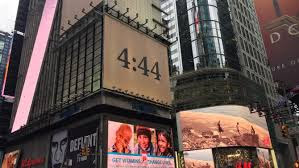
I’m sure that my sentiment is not unique, as the album has
topped the Billboard charts for the last two weeks. But it’s worth making the point anyway.
I think it’s important to consider that this is an album
that deals with very adult subject matter – credit and financial investments,
fidelity and fatherhood, racism and homophobia, and entrepreneurship. This is quite a distance from the
counter-disco origins of the genre, the east coast – west coast battles that
followed and the apolitical pre-Obama era that we’ve only recently left behind. Instead, Hov reminds listeners about where
he’s come from, but also insists that he’s in a better, more mature place now;
and he cautions us to learn the lessons that he has.
“I’m trying to give you a million dollars’ worth of game for $9.99.”
This corner we’ve now turned matters more than we might at
first think.
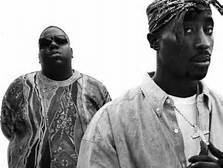 Those of us who came of age with hip-hop as central to our
culture must admit that our growth has, until now, been stunted. The tragic deaths of Tupac, Biggie, Left Eye
and Aliyah impacted us more than we know.
These poet prophet prognosticators fed us the important musical
nutrients that helped us put an understandable beat to the otherwise perplexing
world around us. And, while they were
robbed of their lives, we were robbed of the maturity and wisdom that comes
from being well nourished by their lyrical insights.

Make no mistake about it, there is still a lot of “lifestyle”
music available to entertain us. Although
I’m amazed at the glorification of strip clubs and drug culture in music at
times, I will also confess to bobbing my head to some trap music from time to
time. Notwithstanding this, people are streaming
4:44 on Sprint and Tidal in droves, and the consciousness and behavior of these
fans will soon adapt in response to the knowledge dropped in this album.
No, Jay and this single album won’t be solely responsible
for this change. I’ve been recently
observing that there seems to be something of a “new morality” emerging in urban
music; a more prevalent expression of topics relating to maturity and
faith.

For example, Common and John Legend have lent their pens to
songs on uplifting films such as Selma and shows such as Underground; Childish
Gambino tells us to “Stay Woke!” in his latest single “Redbone”, “Uncle
Charlie” Wilson and
 Avery*Sunshine regularly take us to church during their
shows, and Lecrae’s song “Blessings”
features Ty Dolla $ign, has done well on Billboard Christian and R&B charts
since January and gets frequent airplay on radio.
Further, I went to a recent Chance the Rapper concert with
my teenage son, and was confused at times about whether I was at a hip-hop show or
a gospel concert. The diverse crowd of
60,000 seemed to know the words to “I’m the One,” “No Problems” AND “When the
Praises Go Up.”
By then I was thinking that something was different, but I
was sure that we had turned an important corner when the rapper, between marijuana
references and mild profanity, asked the audience “How many of y’all want to go
to heaven?” Without much prompting, the
screams were the loudest of the night.
 I kind of miss Jay-Z rapping about “Run(ning)
This Town” with Rihanna and Kanye West.
Maybe a party anthem or two will be on the next album.
As I said, it’s a “new” morality, so I’m not sure what this
public display of responsibility means, or where it all goes from here. But I welcome it and I’m sure that we will
all be better, more at peace and probably wealthier for it.
On the recent Rap Radar podcast Mr. Carter reminds listeners that self-determination and community responsibility have always been a part of his message. Maybe we’ve been the ones missing it. But with the release of 4:44, we’re listening now.
Hip-hop has turned a corner. Bye Jay-Z.