
I just picked up Quincy Jones’ new CD, Soul Bossa Nostra, and while listening to the tunes I took the time to read the liner notes. I appreciate Q’s continuing effort to connect contemporary artists with classic jazz and contemporary genres. But, as I perused the list of featured artists, it occurred to me that a few of the more prominent names (T.I., AmyWinehouse, Snoop Dogg) have experienced enough personal and public drama for me to have noticed and to have commented – privately but emphatically – about how poor, costly and disappointing their judgment was.
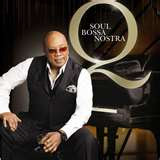
Why would the revered and inimitable Quincy Jones associate himself and his genius with this surly group?But then, I wondered, why we make such a big deal about this type of behavior? Why are we even surprised? Every time our favorite singer, actor or author gets arrested, overdoses or divorces from someone who was just not that into them, we are appalled and offended. Articles are written, paparazzi spring into action, Facebook goes crazy and some of us are even moved to tears.
But we don’t have to look that hard to find artists who were/are Mr. Jones’ peers and who got into a gang of trouble. Little Richard, Sammy Davis Jr., Miles Davis, and, of course, Ray Charles, whose substantial challenges were documented in the acclaimed movie “Ray,” all had a trail of problems throughout their careers. And yet, in hindsight, we don’t seem to judge these foibles as harshly as we do contemporary fauxpas.
It is, in fact, the eccentricities of our favorite artists that make them, well, artists! (That’s an explanation, not an excuse.) And perhaps that’s what Mr. Jones’ understands.
So what’s different? Maybe nothing. Or maybe it’s our own expectations.
Prior to the days of a 24 hour news cycle, video cameras built into our cell phones and You Tube, the news of these personal missteps spread slowly if at all. Artists were there to provide entertainment – period. (Entertainment is, by definition, an escape from reality.) Their virtues and fallacies were insignificant to our day-to-day lives. If we cared at all about their impact on our reality, they were judged by a body of work over an extended period of time, not moment-to-moment by worldwide Twitter feed.
This distinction is important. The limited distribution of the media meant that artists were not role models. Moms and dads had to rely on themselves and their communities to teach the behavior that was expected of a young man or woman. Today the media finds us when wearen’t even looking for it, and moms, dads, uncles and aunts are pretty busy – but our role is still the same.Is it the artists’ bad behavior that’s the problem, or our own expectations?